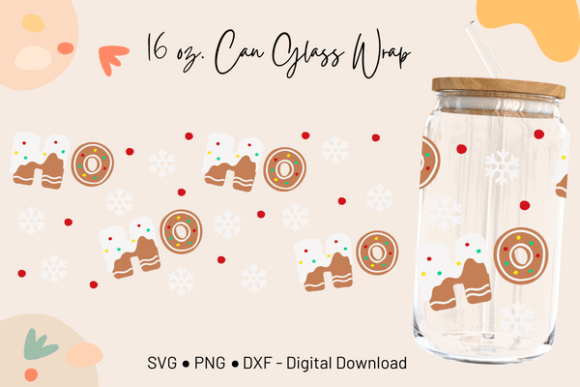
16 Oz Ho Ho Ho Libbey Can Glass Wrap for Crafts
I recently received a brief from a boutique beverage brand looking to launch a limited-edition holiday collection. They needed more than just a label; they wanted a cohesive visual experience that felt festive, approachable, and ready for social media sharing. While scanning through various design assets, the 16 Oz Ho Ho Ho Libbey Can Glass Wrap immediately caught my eye as a potential hero element for their campaign. As a designer who frequently navigates the intersection of branding and physical product mockups, I decided to put this asset through its paces before recommending it to the client.
First Impressions: Mood and Visual Identity
The moment you view the 16 Oz Ho Ho Ho Libbey Can Glass Wrap, the mood is instantly established. It radiates a warm, nostalgic Christmas spirit without veering into tacky territory. The design balances traditional holiday iconography with a modern layout that feels fresh enough for today's market. For a brand identity project focused on seasonal sales or a local event, this asset provides an instant emotional hook. It suggests joy, celebration, and community, which are exactly the feelings a small business wants to evoke during the winter months.
In terms of style, it fits perfectly within the realm of modern design mixed with handcrafted charm. It is not overly ornate, which means it has the versatility to work alongside clean typography or bold photography. When I first placed this graphic design asset onto a digital mockup of a cold drink, the visual hierarchy shifted immediately. The text became the focal point, drawing the eye while the surrounding elements supported the message rather than competing with it.
Real-World Application in Client Projects
How does this asset perform when integrated into a real workflow? In our recent project, we used the wrap design as the foundation for a series of marketing visuals. Because the composition is centered and balanced, it serves exceptionally well as a base for product mockups. Whether you are creating images for an Etsy shop listing or a print-on-demand store, this asset allows you to showcase the final product realistically.
The versatility extends beyond simple product shots. We explored using similar design principles for packaging design details, such as gift tags or window cling labels. For a Cricut project, the cut lines would likely be crisp, making it ideal for creating custom stickers or decals that customers can apply to their own glassware. If you are a digital seller offering SVG design files, this concept offers a high-value template for your customers to customize.
We also tested its application in social media graphics. On platforms like Instagram and Pinterest, where vertical space is premium, the wrap's proportions align well with post templates. It acts as a powerful anchor for Pinterest pins promoting holiday recipes or gift guides. The festive theme ensures high engagement rates, as users are naturally drawn to seasonal content that promises warmth and cheer.
Where This Asset Shines
- Large Layout Areas: The design holds up beautifully when scaled up for website headers or large banner ads.
- Themed Collections: It is perfect for building a cohesive look across a line of holiday products.
- Decorative Accents: Use it to frame other content or highlight special offers in editorial design.
- T-Shirt Design: The graphic translates well to apparel, especially for team uniforms or family matching outfits.
- Mugs and Tote Bags: It pairs nicely with sublimation designs for other merchandise items.
Areas Requiring Caution
However, no single asset is universally perfect. There are scenarios where the 16 Oz Ho Ho Ho Libbey Can Glass Wrap requires careful handling. If you are working on a minimalist branding project for a corporate client, this festive design might feel too informal. It lacks the neutral tones required for serious professional materials.
Additionally, be mindful of crowded layouts. If you overlay too much text or place complex backgrounds behind this asset, the visual clarity can suffer. The design relies on a certain amount of negative space to breathe. When scaling down for very small sizes, such as favicon icons or tiny mobile buttons, the intricate details may become muddy. Always test the legibility at 16 pixels wide before committing to a final layout.
Technical Considerations for Professional Use
Before integrating any creative design element into a paid project, a designer must verify the technical specifications. I always recommend testing the asset in black and white first. This step reveals if the contrast is sufficient to maintain the intended impact without relying solely on color.
If you are using this for sublimation design or printing, check the file resolution carefully. Blurry edges will ruin a professional presentation. For digital use, inspect the PNG transparency to ensure there are no jagged halos around the text or graphics. If the file includes an SVG version, verify that the paths are editable. This allows you to adjust colors to match a specific brand palette, ensuring brand consistency across all touchpoints.
It is also crucial to review the commercial license. Many design bundles found on creative marketplaces come with restrictions on how many times the asset can be used or whether it can be resold. Confirming a commercial license protects both you and your client from legal issues. Compare this asset with other styles, such as serif font combinations or script font overlays, to see if it complements your existing typography system.
Final Verdict for Designers and Creators
The 16 Oz Ho Ho Ho Libbey Can Glass Wrap is a robust tool for anyone looking to elevate their seasonal offerings. It bridges the gap between a fun craft project and a polished commercial product. Whether you are a small business owner launching a new drink line, a blogger creating holiday content, or a marketer planning a December campaign, this asset delivers on its promise of festive appeal.
When used with intention, it enhances visual trust and audience engagement. It signals that attention has been paid to detail, which is vital for establishing credibility in a crowded marketplace. By understanding its strengths and limitations, designers can leverage this asset to create memorable experiences that resonate with customers long after the holidays have passed.