Spooky Xmas: A Designer's Honest Review
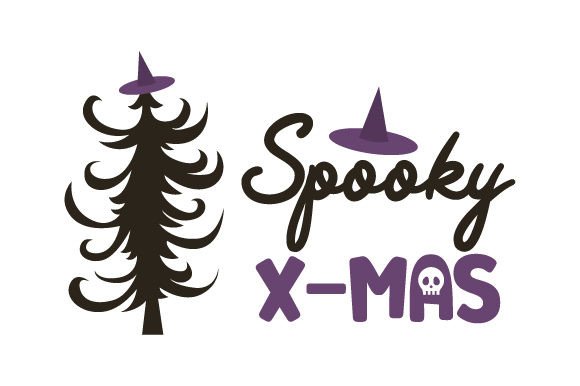
When I first opened the file for Spooky Xmas, my immediate reaction wasn't about the holiday cheer; it was about the unique tension in the design. As a designer who spends hours testing files on everything from stretchy jersey to heavy denim, I know that a successful machine embroidery design needs more than just cute graphics. It requires structural integrity and a clear narrative. This piece strikes a balance between the eerie charm of Halloween and the cozy warmth of the winter holidays, creating a mood that is playful rather than terrifying.
The visual personality of Spooky Xmas suggests a project that stands out on a crowded shelf or an Etsy listing. The layout feels intentional, with enough negative space to allow the fabric texture to breathe while maintaining enough detail to look professional under close inspection. It doesn't feel like a generic clipart paste-up; it has a distinct character that would fit perfectly into a boutique collection or a custom gift line for clients who love alternative aesthetics.
Real-World Application: From Digital File to Finished Product
Let's talk about how this design performs when it leaves the screen and hits the hoop. I recently considered using Spooky Xmas for a custom embroidered tote bag intended as a holiday gift for a local craft fair. The concept was to blend the spooky season with Christmas shopping vibes. When I ran a test stitch on a canvas tote, the design held its shape beautifully. The contrast between the darker elements and the lighter accents worked well against the natural beige of the fabric, making the details pop without looking muddy.
This kind of versatility is rare. While many holiday designs are strictly red and green, Spooky Xmas allows for creative thread color choices. You could go full monochrome for a modern, minimalist look, or use vibrant purples and oranges to lean into the "spooky" aspect. For small business owners and Etsy sellers, this flexibility is gold. It means you can create a cohesive brand identity across different product lines, whether you are selling sweatshirt embroidery, baby onesies, or kitchen towels.
I also envision this design on a heavy-duty apron for a holiday baking class. The density of the stitches provides a tactile quality that customers appreciate in handmade products. When a buyer touches an embroidered patch or a decorated garment, they want to feel the craftsmanship. Spooky Xmas delivers that sense of value because the fill stitches appear solid and the satin stitches look crisp, suggesting a high-quality finished product.
Navigating Technical Challenges and Fabric Choices
However, not every surface is a good match for this design. As an experienced reviewer, I have to point out where Spooky Xmas might struggle. If you plan to use this on a curved surface like a baseball cap, you need to be extremely careful with your stabilizer selection. The design has some intricate corners that might distort if the fabric stretches during stitching. For caps, a cut-away stabilizer is non-negotiable to prevent puckering.
Similarly, thin fabrics like light cotton shirts require a supportive backing. Without proper stabilization, the weight of the embroidery could cause the fabric to ripple, ruining the clean lines of the design. I also advise caution with dark fabrics unless you plan to use a high-density underlay or a specific applique technique. If the background fabric is too similar in tone to the thread colors, the design will lose its definition, making it hard for customers to see the details that make Spooky Xmas special.
Another area to watch is the stitch density. While the design looks great on sturdy materials like denim or felt, very fine fabrics might show the grid of the stitches too prominently. In these cases, the design might benefit from a slight reduction in density if your software allows, or you might need to choose a heavier fabric to ensure the final result looks professional. For hobbyists working on baby clothes, always prioritize softness. Ensure the back of the embroidery is trimmed properly so there are no rough edges touching a baby's skin.
Strategic Use for Commercial Projects and Branding
For those of us running a craft business, the choice of design directly impacts customer trust and brand consistency. Spooky Xmas is not just a decoration; it is a statement. Using it on commercial embroidery projects signals that you understand current trends and aren't afraid to mix themes. It appeals to a demographic that values uniqueness over mass-produced uniformity.
Imagine a series of holiday gifts featuring this design. You could offer a matching set: a pillow cover for the living room, a tea towel for the kitchen, and a personalized gift tag. The repetition of the design creates a strong visual brand presence. Customers often remember a shop by the consistent style of its merchandise. By offering a design that blends two popular seasons, you tap into a wider market, extending the sales window beyond just December.
However, before you start printing mockups or listing items on your store, you must verify the licensing terms. Many digital embroidery files come with restrictions on how many finished products you can sell. If you intend to use Spooky Xmas for large-scale production, ensure you have the correct commercial license. Selling without permission can lead to legal issues and damage your reputation in the maker community.
Essential Pre-Production Checklist
Before committing to a bulk run or a client order, follow these practical steps to ensure success:
- Test on Scrap Fabric: Always stitch a sample on the same material you plan to use for the final product. This reveals potential issues with thread tension or fabric distortion.
- Check Thread Contrast: View your design in black and white mockups to ensure the contrast levels work. Sometimes a color palette looks good on screen but fails in physical form due to low contrast.
- Inspect Small Details: Zoom in on the smallest elements of the design. Are there tiny letters or dots that might get lost in the stitching process? If so, consider simplifying the design or adjusting the hoop size.
- Review Stitch Density: High-density areas can cause fabric bubbling. Check the file settings to ensure the density is appropriate for your chosen fabric type.
- Confirm Hoop Size: Verify that your machine's hoop can accommodate the full design dimensions without cutting off any parts of the artwork.
- Stabilizer Selection: Match your stabilizer to the fabric weight. Heavy stabilizers are needed for knits, while lightweight tear-aways work best for wovens.
By taking these precautions, you protect your investment and ensure that every Spooky Xmas project you release meets the highest standards of quality. Whether you are creating a one-of-a-kind personalized gift or stocking shelves for a seasonal sale, attention to detail is what separates a hobbyist from a professional.
In conclusion, Spooky Xmas is a compelling addition to any embroidery library. It offers a fresh take on holiday themes and provides ample opportunity for creative expression. With the right preparation and understanding of the technical requirements, this design can elevate your handmade products and engage your audience effectively. Just remember to test thoroughly, respect the fabric, and always keep your end-user experience in mind.