Tis the Season for Baking Cookies Embroidery Review
When I first opened the file for Tis the Season for Baking Cookies, my immediate reaction was one of warmth. It is rare to find a digital embroidery design that feels so inherently cozy without being cluttered or overly busy. As someone who has spent years evaluating designs for client projects, handmade products, and commercial use, I look for more than just pretty lines; I need to know how the design will hold up after twenty washes, how it reads on different fabrics, and whether it adds value to the final product. This piece delivers exactly what a holiday-themed project needs: a balance of festive cheer and professional execution.
The First Impression: Mood and Layout
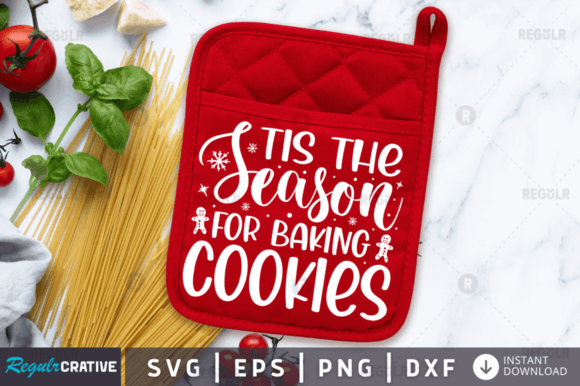
The visual personality of Tis the Season for Baking Cookies is undeniably inviting. The layout suggests a classic holiday vibe, likely utilizing a combination of script and block lettering to create rhythm across the design. In the world of machine embroidery, spacing is everything. If the letters are too tight, they can merge into an unreadable blob; if they are too loose, the design loses its impact. From a quick scan of the stitch paths, this design appears to have excellent breathing room, allowing the text to breathe while maintaining a cohesive shape.
The theme naturally belongs in the kitchen or the nursery. It evokes images of flour-dusted aprons, steaming ovens, and family gatherings. This emotional connection is crucial for designers selling finished goods. When a customer sees a tote bag or a sweatshirt with this specific phrase, they immediately associate it with comfort and tradition. It is not just a decoration; it is a statement of identity for the wearer. For crafters looking to build a brand around seasonal items, this design offers a strong foundation for a collection that feels authentic rather than mass-produced.
Real-World Application: From Screen to Stitch
Let me walk you through a scenario where I would deploy Tis the Season for Baking Cookies. Imagine preparing a custom order for a local boutique owner who specializes in holiday gifts. She wants to create a line of embroidered tea towels and baby onesies. The towel requires a design that sits well in a standard 4x4 hoop but still looks substantial. The baby item needs something softer, perhaps with slightly less dense stitching to protect delicate skin.
In this context, the design performs exceptionally well. On a heavy cotton tea towel, the satin stitches along the edges of the letters would provide a nice sheen that catches the light, making the product feel premium. The fill stitches would lay flat against the fabric texture, ensuring that the words remain crisp even after the garment is washed. For the baby onesie, the design translates beautifully because it avoids excessive detail that might become a snag hazard. It strikes the perfect balance between decorative and functional.
I also see this design shining on custom apparel like hoodies and sweatshirts. A chest placement on a fleece sweatshirt creates a subtle yet noticeable accent that customers love. Unlike some complex applique designs that require hours of setup time, this design likely relies on standard embroidery techniques that speed up production. For Etsy sellers and small shop owners, time is money. A design that stitches out cleanly in under ten minutes allows you to fulfill orders faster while maintaining high quality.
Where Caution Is Required
Even the best designs have limitations, and knowing where to draw the line is part of being a professional designer. While Tis the Season for Baking Cookies is versatile, there are specific scenarios where it might struggle. Small hoop sizes can be tricky if the design includes intricate corners or very fine details. If the lettering involves thin serifs or tiny decorative accents, shrinking the design to fit a 3x3 hoop could result in lost definition.
Fabric choice is another critical factor. Stretchy fabrics like jersey knit can cause puckering if the stabilizer isn't chosen correctly. While this design looks great on stable materials like canvas or denim, applying it to a stretchy t-shirt without proper backing could lead to distortion. Similarly, dark fabrics present a challenge. If the design uses light thread colors, the contrast might not be as striking as intended unless a high-quality underlay is used to cover the base fabric color. Always test your thread color contrast before committing to a full production run.
Curved surfaces like baseball caps also require careful consideration. While many modern machines handle cap frames well, a design with long horizontal lines might not follow the curvature of a cap perfectly. You may need to adjust the digitizing or select a specific cap frame to ensure the text remains legible. Additionally, if you plan to use this design on products that will undergo frequent washing, such as work aprons, check the stitch density. High-density areas can sometimes trap lint or dirt over time, affecting the longevity of the finished product.
Impact on Product Value and Brand Trust
The way a design stitches directly influences customer trust. A sloppy stitch job or a design that looks pixelated on the fabric can make a handmade product feel cheap. Conversely, a clean, well-executed design elevates the perceived value of the item. Tis the Season for Baking Cookies has the potential to boost buyer engagement because it looks professional right out of the hoop. When customers receive a personalized gift that features clear, sharp lettering and consistent thread tension, they are more likely to leave positive reviews and return for future purchases.
This design also supports brand consistency. If you are building a line of holiday merchandise, having a cohesive look across all products—from tote bags to pillow covers—creates a recognizable aesthetic. The playful nature of the phrase fits seamlessly into a brand identity focused on home, family, and creativity. For digital product sellers creating printable mockups, this design provides a realistic preview that helps buyers visualize the final result, reducing hesitation and increasing sales.
Practical Notes for the Designer
Before you start stitching, there are a few essential steps to ensure success. First, always test the design on scrap fabric that matches the weight and texture of your final material. This simple step can save you from ruining expensive inventory. Check the thread colors carefully; sometimes the digital preview does not accurately reflect how the threads will interact with the fabric background. A black-and-white mockup can help you assess the contrast and readability of the design without the distraction of color.
Review the stitch density and confirm the recommended hoop size provided by the creator. If these details are not explicitly listed in the file description, you must experiment to find the optimal settings. Use the proper stabilizer for your fabric type; cut-away stabilizers are generally better for durable items like aprons, while tear-away works well for temporary projects. Inspect the small details closely to ensure no stray threads or loose stitches appear during the test run.
Finally, verify the licensing terms. If you intend to sell finished items featuring Tis the Season for Baking Cookies, you need to ensure you have the commercial rights. Some digital embroidery files are for personal use only, and using them for business without permission can lead to legal issues. Confirm whether the license allows you to sell unlimited quantities or if there are restrictions on the number of units produced. By taking these precautions, you protect your business and ensure that every finished product reflects the high standards you set for yourself.
Ultimately, Tis the Season for Baking Cookies is a standout addition to any embroidery library. It combines festive charm with technical reliability, making it an ideal choice for holiday embroidery projects, custom apparel, and boutique branding. Whether you are a hobbyist making gifts for friends or a seasoned entrepreneur scaling your craft business, this design offers the versatility and quality needed to succeed in today's competitive market.