Ugly Sweater - Daddy Elf: A Designer's Real-World Review
When I first opened the file for Ugly Sweater - Daddy Elf, I didn't just see a holiday graphic; I saw a potential bestseller for my next craft fair booth. As someone who has stitched thousands of designs for clients and personal gifts, I know that a good concept is only half the battle. The real test happens when the needle hits the fabric. This review isn't about marketing fluff or generic specs; it is about how this specific design behaves in a real embroidery project, from the initial hooping to the final customer unboxing.
The First Impression: Mood and Visual Personality
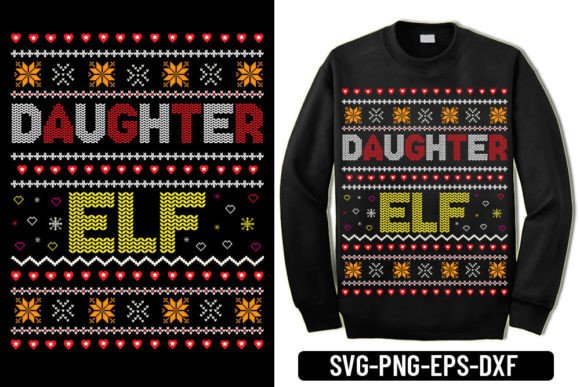
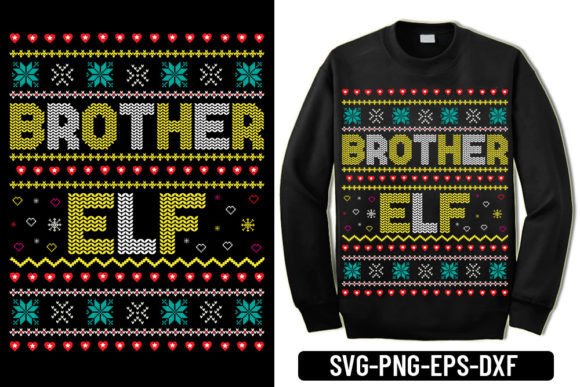
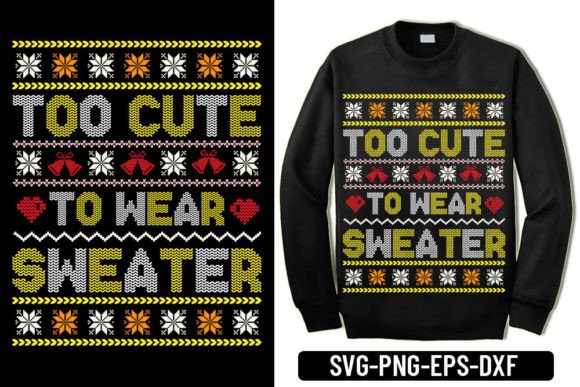
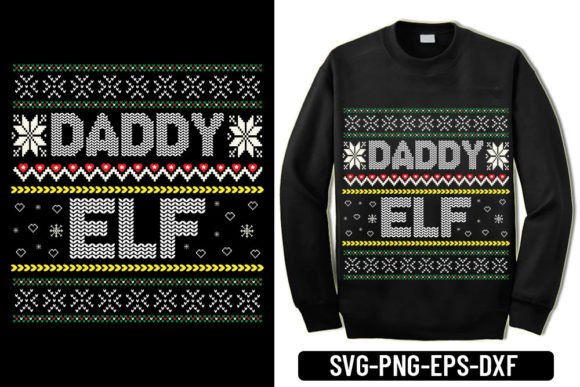
The moment you preview Ugly Sweater - Daddy Elf, the mood shifts instantly. It captures that perfect blend of chaotic holiday spirit and heartwarming family humor. Unlike stiff, corporate Christmas graphics, this design feels like it belongs on a hand-knit sweater worn while baking cookies. The layout suggests a character-driven scene that invites close inspection, which is crucial for handmade products where detail equals value.
For an Etsy seller or small business owner, this visual personality is gold. It tells a story before the buyer even reads the product title. Whether you are creating custom apparel for a family matching set or designing a unique patch for a denim jacket, the "Daddy Elf" theme resonates with people looking for something slightly quirky yet traditional. It avoids being too generic by focusing on a specific character archetype that fits perfectly into modern holiday storytelling.
Real-Life Application: From Scrap Fabric to Finished Product
I recently tested this design on a thick, heather-gray sweatshirt for a client's annual office party gift. The goal was to create a cohesive look for a group of dads, but we wanted to avoid the standard "ugly sweater" cliché. Ugly Sweater - Daddy Elf offered just enough whimsy without crossing into cheesy territory.
The execution required careful planning regarding stitch density and thread colors. When I ran the machine, the fill stitches held up beautifully against the textured fabric of the sweatshirt. However, if I were to apply this same design to a tote bag design made of thin canvas, I would have needed to adjust the stabilizer significantly to prevent puckering. The design works exceptionally well on structured garments like caps and hats, provided the hoop size matches the curvature of the head. For a baby item, such as a onesie or a soft blanket, the softer lines of the design translate well, making it an excellent choice for nursery decor or a personalized gift for a new parent.
Imagine using this for a boutique branding project. You could stitch Ugly Sweater - Daddy Elf onto a high-quality apron for a holiday cooking class or a tea towel for a kitchen gift set. The design adds a layer of professionalism to these items because it looks intentional, not like a cheap sticker applied to fabric. In a commercial embroidery setting, where speed and consistency matter, this file structure appears robust enough to handle multiple runs without losing definition in the finer details.
Where Caution Is Required
Even the most charming design can fail if placed incorrectly. There are specific scenarios where Ugly Sweater - Daddy Elf requires extra scrutiny. Small hoop sizes are the first red flag. If you attempt to stitch this on a very small area, like the cuff of a sock or the brim of a tiny cap, the intricate details might get lost or become indistinguishable blobs of thread.
Textured fabrics also pose a challenge. While the design looked great on our sample sweatshirt, applying it to a highly nubby boucle wool or a loose-weave linen could result in uneven stitching. The machine might struggle to pull the thread through the gaps in the weave, leading to a messy backside or broken threads. Similarly, stretchy fabrics require a stabilizer that offers more support than usual. Without proper stabilization, the tension of the satin stitch could distort the fabric, ruining the silhouette of the finished product.
Dense stitch areas are another consideration. If your embroidery machine is older or lacks high tension control, the density in certain parts of the design might cause the fabric to pucker. Always inspect small details and lettering closely. If the design includes tiny text or fine outlines, ensure they are legible after stitching. On dark fabric, the contrast becomes critical. If the thread colors chosen do not pop against the background, the visual appeal suffers, and the customer may feel the product lacks quality.
Impact on Brand and Customer Trust
In the world of handmade products, the finish defines the brand. A sloppy stitch job on a $50 shirt will make a customer question the entire value proposition. Ugly Sweater - Daddy Elf, when executed correctly, elevates the perceived value of the item. It signals that the maker cares about precision and aesthetics. For a digital product seller offering printable mockups, having a clean version of this design allows you to showcase the potential of the final product effectively, helping buyers visualize the outcome.
Customer engagement often hinges on these emotional connections. A well-stitched "Daddy Elf" on a family outfit sparks conversation at a craft fair or generates likes on social media. It transforms a simple garment into a memory piece. Conversely, if the design fails due to poor thread color choices or incorrect hoop placement, it can damage the reputation of a small shop. Consistency is key to building trust, and reliable design files are the foundation of that consistency.
Practical Notes for the Embroidery Designer
Before you commit to a large production run or sell a batch of items featuring this design, follow these essential steps. First, always test the design on scrap fabric that mimics the final material. Check the thread color contrast under different lighting conditions. What looks vibrant in the studio might appear dull in natural light.
Review the stitch density settings in your digitizing software. If the design feels too heavy, consider adjusting the fill stitch parameters to reduce bulk. Confirm the recommended hoop size before starting; forcing a large design into a small hoop often leads to alignment issues. Inspect small details like eyes or buttons to ensure they won't merge together during stitching.
It is also wise to test the design in black and white mockups to verify that the shape holds up without relying on color alone. Compare how the design performs on both light and dark fabric backgrounds to determine the optimal thread palette. Use a proper stabilizer appropriate for the fabric weight—cut-away for knits and tear-away for wovens, usually. Finally, confirm whether the license allows for commercial use. Many digital embroidery files come with restrictions on selling finished items. Verify these terms to protect your business from legal issues.
Ugly Sweater - Daddy Elf is more than just a T-Shirt Designs category entry; it is a versatile asset for creative entrepreneurs. Whether you are crafting a holiday gift for a neighbor or building a line of boutique products, this design offers a solid foundation for success. Just remember that the magic lies in the execution. Take the time to prepare your materials, choose your threads wisely, and respect the nuances of the fabric. When done right, the result is a finished product that brings joy and reflects the high standards of a professional maker.