Universal Shape Design Curved Lines: A Designer's Real-World Review
When I first opened the file for Universal Shape Design Curved Lines, my initial reaction wasn't about the stitch count or the technical specifications. It was about the mood. In a sea of rigid geometric shapes and overly complex floral patterns, this piece from the Icons category felt surprisingly fluid. As an experienced designer who has stitched thousands of designs for clients ranging from boutique owners to hobbyists, I know that the difference between a "nice" design and a "great" finished product often comes down to how well the lines flow with the fabric grain.
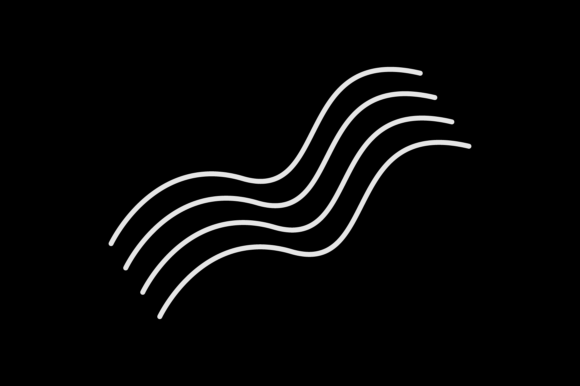
The Universal Shape Design Curved Lines carries a sense of movement that is rare in standard icon sets. It doesn't scream for attention; instead, it whispers elegance. The curves are smooth, avoiding the jagged edges that often plague digitized files when they hit the needle plate. This visual personality suggests that this design belongs on projects where softness and continuity matter—think of a baby onesie, a high-end tote bag, or perhaps a subtle accent on a linen apron. It feels like a design meant to be touched, not just seen.
From Digital File to Finished Product: A Practical Scenario
Let's talk about real application. I recently had a client asking for a custom line of embroidered kitchen towels for a local bakery. They wanted something that felt artisanal but modern, without looking too busy. I pulled up Universal Shape Design Curved Lines as a potential centerpiece. My goal was to see if those sweeping curves would hold up against the texture of heavy cotton terry cloth.
I ran a quick test on a scrap piece of the same fabric using a medium-density satin stitch for the main body and a fine running stitch for the accents. The result was immediate. The curves wrapped around the fabric fibers naturally, creating a seamless look that elevated the perceived value of the towel. When I held the finished sample, the design didn't feel stiff or plastic-like. It moved with the fabric. For a small business owner or an Etsy seller, this distinction is everything. Customers can tell the difference between a cheap print and a quality embroidery job. This design adds a layer of professionalism that makes a simple tea towel feel like a premium gift.
Imagine taking this same design and applying it to a sweatshirt. The curved lines could wrap gently around a pocket or sit elegantly across the chest. Unlike blocky icons that might look disconnected on a textured fleece, these lines create a continuous visual path that guides the eye. It transforms a basic garment into a statement piece. Whether you are making holiday gifts, wedding favors, or boutique branding items, Universal Shape Design Curved Lines offers a versatility that fits both minimalist aesthetics and more decorative styles.
Navigating Technical Challenges and Fabric Choices
However, every good designer knows that no single design works perfectly everywhere. While Universal Shape Design Curved Lines is robust, there are specific scenarios where you need to exercise caution. If you are working with very small hoop sizes, such as 4x4 inches or smaller, you must inspect the tightest corners of the curves. Sometimes, what looks smooth on the screen can get crowded when the machine tries to stitch multiple layers of thread in a tiny space.
Textured fabrics present another hurdle. On a thick, looped chenille or a heavily woven denim, the curves might lose some definition. Thin or stretchy fabrics, like jersey knits, require careful stabilizer selection. Without a proper cut-away stabilizer underneath, those graceful lines could pucker, ruining the illusion of fluidity. I always advise testing on a scrap piece first. Check your thread color contrast carefully; dark threads on dark fabric might make the curves disappear, while light threads on white fabric might lack the necessary punch unless you use a specific underlay technique.
For products that need frequent washing, like work aprons or children's clothing, pay close attention to the stitch density. If the fill areas are too dense, the fabric will become stiff and prone to tearing over time. Conversely, if the density is too low, the design might look patchy after a few washes. Universal Shape Design Curved Lines generally handles density well, but verifying the settings in your digitizing software before committing to a full production run is non-negotiable.
Visual Appeal and Brand Consistency
In the world of handmade products and commercial embroidery, consistency is key. When you sell personalized gifts or custom apparel, your customers expect a uniform look across all items. Using a design like Universal Shape Design Curved Lines helps maintain brand consistency because of its clean, adaptable nature. It pairs well with typography, allowing you to add names or dates without the design feeling cluttered. This balance is crucial for maintaining customer trust and engagement.
Consider the impact on your digital marketing. When you create printable mockups for your Etsy listings or social media ads, this design translates beautifully. The curves photograph well, catching the light in a way that highlights the texture of the thread. This visual clarity helps buyers imagine the finished product in their own homes, increasing the likelihood of a sale. For digital product sellers offering design assets, knowing that this file renders clearly in black-and-white previews is a significant advantage.
Essential Designer Notes for Success
If you are planning to incorporate Universal Shape Design Curved Lines into your next project, here are a few practical steps to ensure success:
- Test Before You Stitch: Always run a test on scrap fabric that matches your final material. This reveals issues with tension, stabilizer choice, or fabric stretch immediately.
- Review Thread Colors: Compare different thread colors against your fabric background. High contrast usually yields the best results for intricate curves, but tonal stitching can offer a sophisticated, subtle look if done correctly.
- Check Hoop Size Compatibility: Ensure your design fits comfortably within your intended hoop size without cutting off any essential details. If you plan to embroider on a cap or a curved surface, verify that the design distortion is acceptable for that shape.
- Inspect Small Details: Zoom in on the smallest parts of the curves. Are they too thin to stitch reliably? If so, consider adjusting the digitization or simplifying the design slightly.
- Confirm Licensing: Before selling finished items or digital products, double-check the license terms. Some files are for personal use only, while others allow commercial sales. Ignoring this can lead to serious legal issues for your craft business.
- Stabilizer Strategy: Use the correct type of stabilizer. A tear-away might work for a pillow cover, but a cut-away is safer for garments that will be stretched during wear.
Ultimately, Universal Shape Design Curved Lines is a tool that rewards careful handling. It isn't a "one-click" solution for every problem, but when used with the right techniques and materials, it produces stunning results. Whether you are an Etsy seller looking to expand your catalog, a small shop owner needing unique merchandise, or a hobbyist wanting to create a special personalized gift, this design offers a level of sophistication that elevates your work.
By treating the design as a partner in your creative process rather than just a file to be stamped out, you unlock its true potential. The curves guide the eye, the lines add depth, and the overall composition speaks of quality. That is the kind of detail that turns a simple embroidery project into a cherished keepsake.