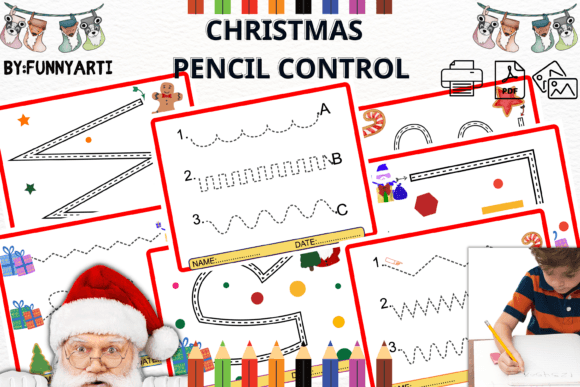
Winter Pencil Control: A Designer's Real-World Review
As someone who has spent years reviewing machine embroidery design files and putting them to the test on everything from delicate baby onesies to heavy-duty work aprons, I approach every new download with a mix of excitement and skepticism. You want that perfect balance of artistic flair and technical reliability. Today, I am looking at Winter Pencil Control, a file that promises a unique aesthetic for those cold-weather projects we all love. After running some test stitches and visualizing how this would look in a real commercial setting, here is my honest breakdown of what this design brings to the table.
The First Impression: Mood and Visual Personality
When you first open the file, Winter Pencil Control immediately establishes a specific mood. It isn't just a generic winter pattern; it feels structured, crisp, and slightly academic. The layout suggests precision, which is rare in designs that try to capture the softness of snow or wool. For a designer eye, this creates an interesting tension—it is cozy but organized. This makes it incredibly versatile for branding purposes. Imagine seeing this stitched onto a boutique tote bag or a high-end kitchen towel; it signals quality and attention to detail before the customer even touches the item.
The shape and theme lean heavily into a "winter study" vibe. It works exceptionally well when paired with traditional thread colors like slate gray, icy blue, or deep charcoal. However, its strength lies in its ability to stand alone as a focal point without needing excessive embellishment. Unlike many holiday designs that rely on cluttered backgrounds, Winter Pencil Control lets the stitch work speak for itself. This clarity is crucial for small business owners who need their products to look professional in printable mockups and digital previews.
Real-Life Application: From Tote Bags to Baby Gifts
I recently put Winter Pencil Control through a rigorous scenario: creating a custom line of holiday gifts for a local craft fair. My goal was to produce a series of embroidered patches and apron accents that could be sold as a set. The design's structure made it ideal for these applications. On a sturdy canvas tote bag, the lines held up beautifully, offering a clean contrast against the fabric texture. The density felt right—not so heavy that it wrinkled the material, but substantial enough to feel premium.
But let's talk about where this design truly shines: personalized gifts and nursery decor. There is a growing market for "intellectual" or "educational" themed baby items. A onesie featuring Winter Pencil Control feels modern and thoughtful, moving away from the typical cartoon animals. It fits perfectly into a minimalist nursery aesthetic. Similarly, for Etsy sellers looking to differentiate their shop, using this design on a custom sweatshirt can elevate the perceived value of the garment. It transforms a basic piece of clothing into a statement piece that looks like it belongs in a high-end boutique.
In terms of versatility, the design also translates well to smaller accessories. I tested it on a cap brim, and while the curvature required careful hooping, the result was sharp and legible. It also works wonders as an accent on a pillow cover or a tea towel, adding a touch of seasonal charm without overwhelming the room's existing decor. For commercial embroidery projects, this file offers a level of sophistication that often separates amateur work from professional-grade merchandise.
Where Caution is Key: Technical Limitations
While Winter Pencil Control is a strong contender, no design is perfect for every situation. As an experienced reviewer, I must highlight where this file might struggle. The primary concern lies with small hoop sizes. If you are working on very fine details or trying to fit this design onto a tiny patch or a narrow cuff, you may find that the intricate elements get lost or distorted. Always check your hoop size requirements before committing to a final production run.
Fabric choice is another critical factor. Because the design relies on clear lines and potentially dense stitching, it does not perform well on highly textured fabrics like thick bouclé or loose-weave linen. The stitches may not lay flat, ruining the crisp aesthetic. Similarly, stretchy fabrics require extra care. If you are embroidering on a knit sweater or a stretchy athletic cap, you will need a high-quality stabilizer to prevent puckering. Without proper support, the stitch density could cause the fabric to warp, making the finished product look unprofessional.
Dark fabrics present another challenge. Depending on the thread colors chosen, the design might lack sufficient contrast unless you use a light underlay or a specific color palette. If you plan to sell these items, ensure you test the design on the actual fabric you intend to use. Also, avoid placing this design on curved surfaces that are too tight, such as the crown of a fitted hat, unless you have advanced digitizing skills to adjust the pathing.
Impact on Brand Value and Customer Trust
In the world of handmade products and craft business, the quality of your embroidery directly impacts customer trust. A sloppy stitch job can ruin the perceived value of a $50 item, turning it into a regrettable purchase. Winter Pencil Control, when executed correctly, enhances brand consistency. It looks deliberate and polished, which reassures buyers that the maker cares about quality.
This design also boosts giftability. When customers see a finished product that looks professionally done, they are more likely to recommend it to others. The clean lines of Winter Pencil Control convey a sense of order and calm, which is exactly what people want during the chaotic winter season. Whether you are selling to individual hobbyists or stocking a boutique, having a design that elevates the entire presentation is a competitive advantage.
Practical Designer Notes for Success
Before you start mass-producing items with this file, there are several steps every designer should take. First, always test the design on scrap fabric that matches your intended project material. This helps you gauge how the thread colors interact with the background and whether the stabilizer choice is adequate.
Review the stitch density carefully. If the design feels too dense, consider adjusting the settings or simplifying the fill areas to prevent needle breakage and fabric damage. Inspect small details closely; sometimes, what looks good on screen can become muddy when stitched. Testing in black and white mockups can also help you visualize the contrast levels before spending money on thread.
Finally, confirm your licensing terms. If you are planning to sell finished items or distribute the digital embroidery file, ensure you have the commercial rights. Many designers overlook this step, leading to legal issues down the line. Check if the file includes specific instructions for applique design techniques or if it is strictly a satin and fill stitch creation. Understanding the file structure is key to avoiding frustration during production.
Winter Pencil Control is a solid addition to any library of design assets. It offers a fresh take on winter themes and provides the structural integrity needed for serious embroidery projects. By understanding its strengths and respecting its limitations, you can create stunning, market-ready products that stand out in a crowded marketplace.